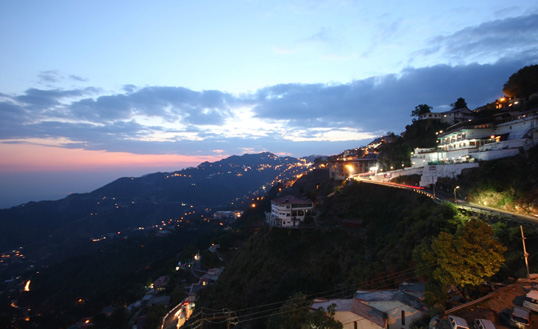
Mussoorie is a well known hill station in India. Popularly known as the Queen of the Hills, this idyllic town is located in the foothills of the Himalayas. Mussoorie is known for its scenic beauty, idyllic atmosphere and is visited by hundreds of tourists from various parts of the world.
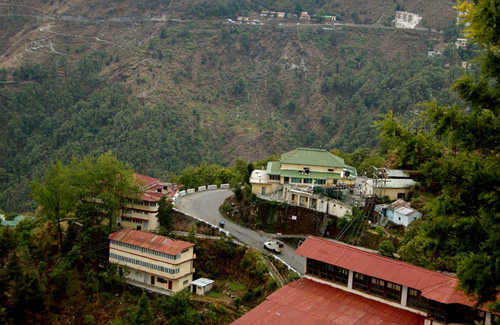
Mussoorie in Uttarakhand is situated at an altitude of 2,000 meters and consists of sprawling vegetation of oak, pine, deodar and rhododendron trees. The town offers spectacular views of the snow capped mountains and the Shivalik ranges in the south. Mussoorie, Uttarakhand experiences a moderate climate with mild summers and cold winters. The weather remains pleasant throughout the year. The ideal time for making trips to Mussoorie is between the months of February and June.
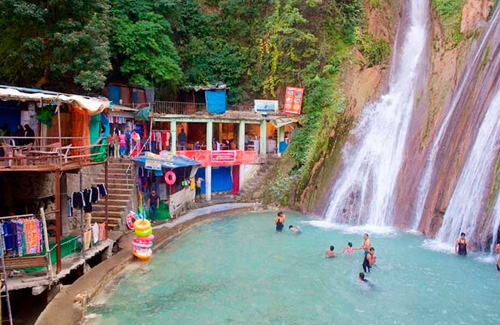
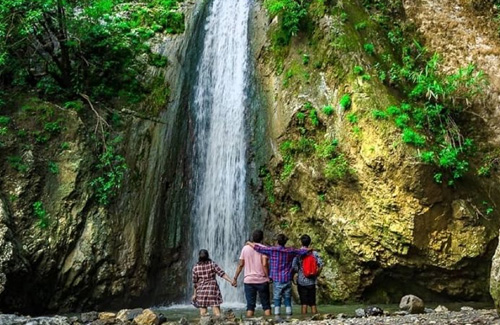
Kempty Falls is said to be one of the most prominent waterfalls in Uttarakhand. The falls are encircled by high mountain cliff. Since the water falls from a great height, it is believed that this water further divides in 5 different streams. Being present on the Mussoorie-Dehradun Highway, the Kempty Falls attracts a number of tourists from across the country.
Kempty Falls is located about 15 km from Mussoorie and lies at an altitude of about 4500 feet above the sea level. The sacred River Yamuna is about 12 kms from here. Kempty Falls was initiated as a picnic spot in 1835 by the British officer John Mekinan. It has a perennial waterfall making it an interesting picnic spot for all.
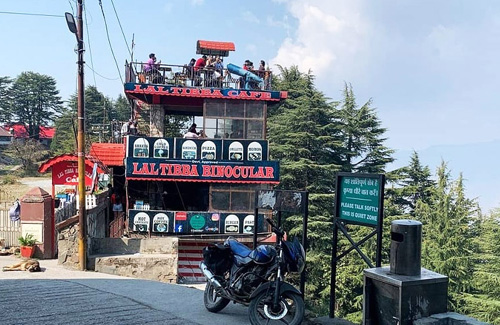
In the local language, Lal Tibba means the Red Hill. This is said to be the oldest and the most populated place in Mussoorie. The place is known for its scenic beauty courtesy the pleasant sunrise and sunset that leave the visitors spell bound. Do carry woolens irrespective of the month of the visit.
It is situated in the Landour area and lies at an altitude of 8000 metre above the sea level. Lal Tibba is even famous as the Depot Hill because of the presence of a depot here. Besides this there is camp of the Indian Military services, All India Radio and Doordarshan. Hills of the Lal Tibba are also popular amongst the shoppers as there are a number of markets in the nearby areas.
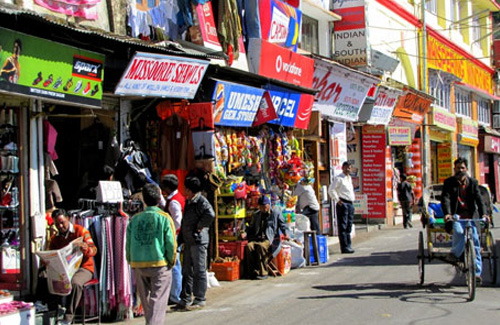
Library Bazaar is the focal taxi and the bus terminal points to enter the township of Mussoorie. Popularly known as the KitaabGhar, the Library Bazaar is so called library found in the 1843 that is present on the first floor of the fantastic building. This is also one of the few libraries found in India.
The Library Bazaar is beautifully tucked between the Laxmi Narayan Temple, the Gurudwara Singh Sabha, the Amania mosque and the Christ church. It stretches up to the Mall road and is popular for its vegetarian and non-vegetarian serving restaurant, luxury and budget hotels, fancy showrooms, gift shops, dhabas, and the small shops to cater to the daily needs of the consumers.
Camel's Back Road is one of the most visit locations in Mussoorie. A peaceful and calm walk in the lap of nature will assure absolute peace and calmness. It is a 3 km long road and is called as the Camel Back Road because of the presence of the natural layout of the rocks that are in the shape of the camel humps.
The Camel Back Road starts from the Library Point and goes up to the Kulri Bazaar. Dehradun railway station is 34 km from here and the Jolly Grant airport is 56 km from here. From the Camel Back Road the visitors can enjoy the romantic sunrise and sunset with some snacks and the amazing backdrop of the Doon Valley.
The enchanting Jharipani Fall offers a splendid view of the Shivalik Range, shrubs, creepers and the species of wild flowers. On the other end of the waterfall lies the beautiful Doon Valley and step farming fields that amplify the beauty of the place.
Jharipani Falls is located near the Jharipani village and is about 7 km away from Mussoorie. The Jharipani Falls is an ideal place for practicing some adventure sports and picnicking while on Mussoorie tour. It is definitely a must visit for all. With the backdrop of the scenic waterfalls, forested hills and the tranquility of the nature, make it a sight to capture in photographs.